
Running a small business today involves more than offering quality products or services. Digital marketing for small businesses helps business owners reach potential customers, improve online visibility and build trust. As more people use the internet to discover brands and compare products, having a strong digital presence has become essential for business growth.
This is where digital marketing for small businesses becomes valuable. It gives business owners opportunities to promote their products, connect with potential customers and build brand awareness. Through strategies such as Search Engine Optimization (SEO), social media marketing and content creation, even smaller businesses can compete in the online marketplace.
To understand how these strategies contribute to business growth, it is helpful to explore the key benefits of digital marketing for small businesses. From building a strong online presence to reaching the right audience and attracting potential customers, digital marketing offers several practical ways to grow a business. Let’s take a closer look at these benefits and the strategies that can help small businesses succeed online.
Benefits of Digital Marketing for Small Businesses
1. Builds a Strong Online Presence
Imagine someone searching online for a product that your business offers. If your website or social media profile does not appear in their search, they might discover another brand instead.
A strong online presence makes it easier for people to find and recognize your business. It also gives potential customers an opportunity to learn about your products, services and brand values.
A professional website, active social media accounts and helpful online content can all contribute to building a recognizable brand identity.
For example, a small clothing business can display its latest collections on an eCommerce website and share styling ideas on Instagram. Customers can explore the products, learn about the brand and contact the business whenever they need assistance.
You can also explore our projects to see how creative ideas and digital strategies come together to create meaningful online experiences.
2. Helps Reach the Right Target Audience
Finding customers is not simply about reaching more people. It is about reaching people who are genuinely interested in what your business offers.
One advantage of online marketing is that businesses can target audiences based on factors such as location, interests, age and online behaviour.
For instance, a local bakery can promote its products to people living nearby. Similarly, an online fashion store can create campaigns for audiences interested in clothing, accessories and lifestyle products.
Understanding customer interests also helps businesses prepare relevant content and marketing messages.
As a result, marketing efforts become more focused, helping businesses connect with potential customers who are more likely to make a purchase.
3. Increases Website Traffic Through SEO
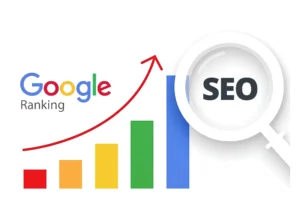
Search Engine Optimization (SEO) is an important strategy for improving a website’s visibility in search engine results.
Think about your own online shopping habits. When searching for a product or service, you probably visit websites that provide useful information and appear in relevant search results.
Small businesses can improve their website visibility by following a few basic SEO practices:
- Research keywords related to their products and services.
- Write helpful and informative website content.
- Optimize page titles and meta descriptions.
- Improve website loading speed.
- Make the website mobile-friendly.
- Publish relevant blog articles.
- Create a clear website structure.
For example, a small skincare business could publish articles about daily skincare routines, product ingredients and choosing suitable skincare products.
When these articles answer genuine customer questions and include relevant search terms, they can attract visitors looking for that information.
Over time, consistent SEO efforts can help businesses build organic website traffic without depending entirely on paid advertisements.
4. Creates Better Customer Connections Through Social Media

Social media has changed how businesses communicate with their customers. Instead of depending only on traditional promotional methods, brands can now interact with their audiences directly.
Platforms such as Instagram and Facebook allow small businesses to showcase products, share updates and communicate with potential customers.
However, maintaining a successful social media presence requires more than publishing occasional promotional posts.
A simple social media strategy can include:
- Planning a monthly content calendar.
- Creating engaging posts, stories and reels.
- Writing captions that connect with the audience.
- Maintaining consistent branding.
- Responding to comments and messages.
- Sharing customer experiences and feedback.
For example, a handmade jewellery business can share product photographs, behind-the-scenes videos and customer reviews. This gives followers a better understanding of the products while making the brand feel more approachable.
Most importantly, social media should be used to build genuine relationships rather than simply asking people to buy something.
5. Generates Leads and Attracts Potential Customers

Getting people to notice your business is only the beginning. The next step is encouraging interested visitors to take action.
Lead generation focuses on attracting people who may become future customers. This can happen when someone visits a website, fills out an enquiry form, subscribes to a newsletter or requests more information about a product.
Some useful lead generation methods include:
- Search engine optimization.
- Social media advertising.
- Email marketing.
- Landing page optimization.
- Relevant website content.
For example, a small digital service agency can create a landing page explaining its services, pricing information and contact details. Visitors who are interested can use the enquiry form to get in touch.
This makes the process easier for potential customers and gives businesses more opportunities to develop new customer relationships.
6. Builds Customer Trust and Brand Loyalty
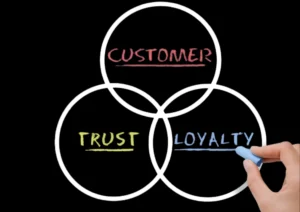
Customers want to feel confident before choosing a business. They often look for genuine reviews, useful information and clear communication before making a purchase.
Digital platforms give businesses several ways to develop that confidence.
For instance, a business can share customer testimonials, answer frequently asked questions, publish informative articles and provide regular updates about its products or services.
Email marketing can also help maintain communication with existing customers. Businesses can send product updates, helpful tips and special offers to people who have subscribed to their emails.
Furthermore, responding politely to customer questions and feedback shows that a business values its audience.
Over time, these small interactions can help strengthen customer relationships and encourage repeat purchases.
7. Makes Marketing Results Easier to Measure
One of the useful features of digital marketing is that businesses can monitor how their online activities are performing.
Instead of depending entirely on assumptions, business owners can use analytics tools to understand which strategies are bringing visitors, engagement and enquiries.
Some important performance indicators include:
- Website traffic.
- Traffic sources.
- Social media engagement.
- Click-through rates (CTR).
- Conversion rates.
- Cost per lead.
Tools such as Google Analytics and Google Search Console help website owners understand visitor behaviour and monitor search performance.
For example, if a business discovers that its blog articles are bringing more visitors than its social media posts, it can explore creating more useful articles around topics its audience searches for.
By reviewing these results regularly, businesses can make better marketing decisions and improve their future campaigns.
Practical Digital Marketing Tips for Small Businesses
Getting started with online marketing does not have to be complicated or expensive. Small businesses can begin with a few manageable activities and improve their strategies as they grow.
Here are six practical tips:
1. Create a Professional Website
Build a simple website that explains your products, services and contact information. Make sure visitors can easily find what they are looking for.
2. Understand Your Customers
Learn about your audience’s interests, needs and purchasing habits. This will help you create relevant marketing content.
3. Start with SEO
Research relevant keywords and use them naturally in your website content, headings and page descriptions.
4. Choose the Right Social Media Platforms
You do not need to be active on every platform. Start with the channels where your potential customers spend most of their time.
5. Publish Useful Content
Share product information, helpful tips, tutorials and answers to common customer questions. Focus on providing value instead of constantly promoting your business.
6. Review Your Marketing Performance
Monitor website traffic, customer enquiries and social media engagement. Use the information to understand what works and what needs improvement.
Conclusion: Growing Your Business with Digital Marketing
Growing a business in the online marketplace takes patience, consistency and a clear strategy. From improving search visibility to connecting with potential customers, digital marketing provides several opportunities for businesses to develop their brands.
For small business owners, the best approach is to start with the basics, understand their audience and focus on activities that support their business goals.
With consistent effort and the right strategies, businesses can improve their online presence, build customer trust and create opportunities for long-term growth.
Ultimately, digital marketing for small businesses is not just about promoting products or services. It is about helping the right people discover your brand and giving them good reasons to choose your business.